




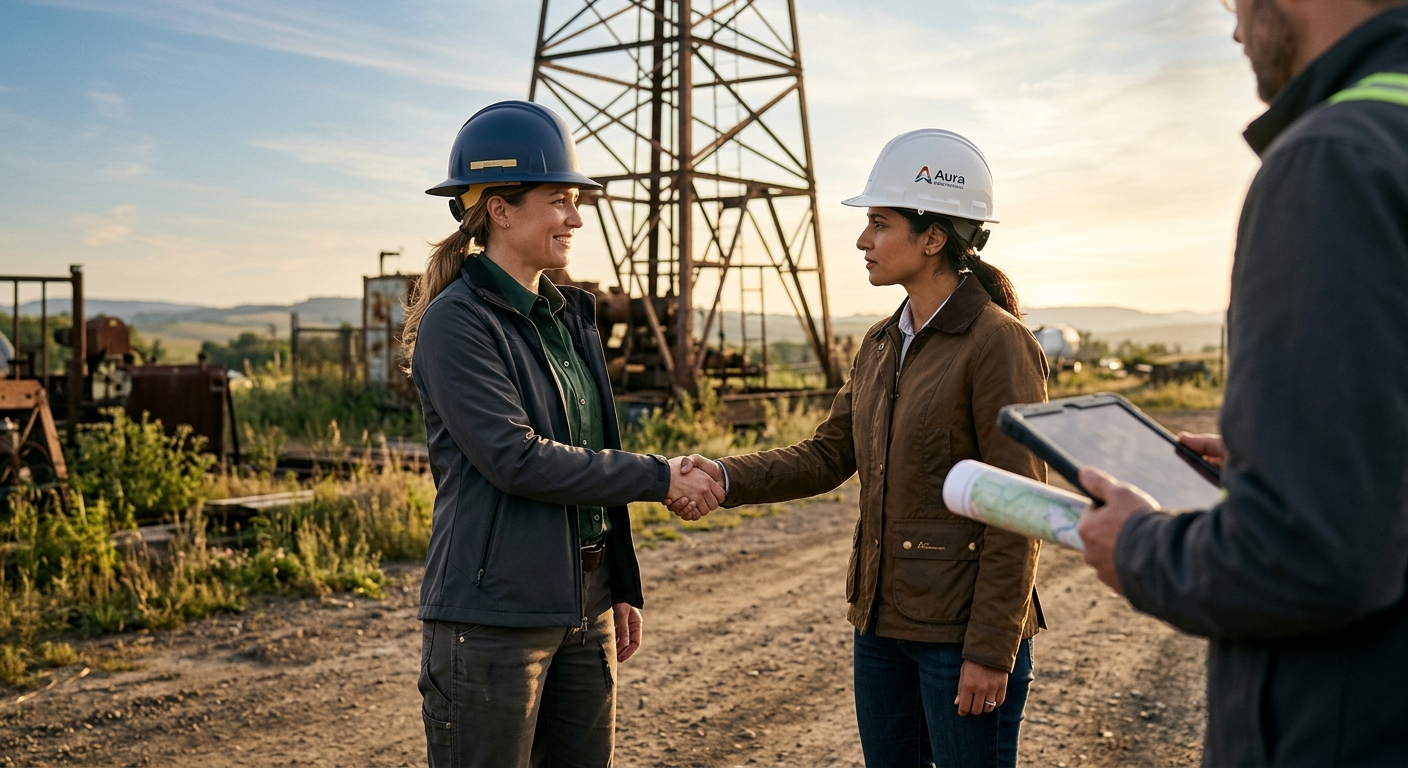
16 May Abandoned Oil Wells: A Clean Energy Solution
“`html
Reviving Abandoned Oil Wells: A New Frontier for Clean Energy and Economic Growth
As the world seeks sustainable energy solutions, an innovative approach is emerging in the U.S.: repurposing abandoned oil and gas wells for geothermal energy production. This initiative is gaining traction as a potential dual solution to environmental and energy challenges, offering a fresh perspective on managing the millions of inactive wells scattered across the country.
The Opportunity
Abandoned wells, once symbols of a bygone era of fossil fuel reliance, are now being reconsidered as valuable assets for clean energy. With millions of these wells littering the U.S., they present a unique opportunity. By converting them into geothermal wells, states can tap into a virtually limitless supply of clean, reliable energy. Geothermal systems leverage the Earth’s natural heat, providing a sustainable energy source that could significantly reduce carbon emissions.
Crucially, the existing infrastructure from these wells, including drilled holes and detailed subsurface data, provides a head start for geothermal projects. This data is invaluable to geothermal firms in assessing the viability of converting these wells into energy producers. The process not only promises to deliver clean energy but also addresses environmental concerns such as methane leaks and groundwater contamination that plague many of these sites.
Legislative Momentum
Recognizing the potential, policymakers across both Republican and Democratic states are taking action. Oklahoma, for example, is considering legislation that would facilitate the purchase and conversion of these wells for geothermal energy and underground energy storage. This initiative, modeled after similar legislation in New Mexico, aims to transform these environmental liabilities into revenue-generating assets.
Other states are also joining the movement. Alabama has passed laws to regulate the conversion of wells for alternative energy, while North Dakota and Colorado are conducting studies to explore feasibility and potential benefits. These efforts highlight a growing bipartisan support for geothermal energy, reflecting a shift in energy policy that transcends traditional political divides.
Challenges and Economic Implications
Despite the promising outlook, challenges remain. The cost of converting a single well can range from $75,000 to $150,000, presenting significant financial hurdles. However, the potential economic benefits could outweigh these costs. By turning abandoned wells into productive assets, states could stimulate local economies, create jobs, and attract investment in renewable energy infrastructure.
Moreover, addressing these wells’ environmental impacts could save millions in potential remediation costs, providing an added financial incentive for states to pursue this path. The Well Repurposing Act in Oklahoma, for instance, not only seeks to repurpose wells but also aims to raise funds by turning these sites into valuable economic resources.
A Path Forward
The repurposing of abandoned oil and gas wells for geothermal energy represents an exciting frontier in the U.S. energy landscape. As states continue to refine their strategies and overcome financial and logistical barriers, this innovative approach could become a cornerstone of America’s transition to sustainable energy. By harnessing the potential of these forgotten wells, the U.S. can pave the way for a cleaner, more resilient energy future.
“`
Sorry, the comment form is closed at this time.