



06 Jul SK Hynix’s IPO and AI Memory Demand Impact
The Intersection of AI and Memory Demand: What SK Hynix’s IPO Means for the Tech Industry
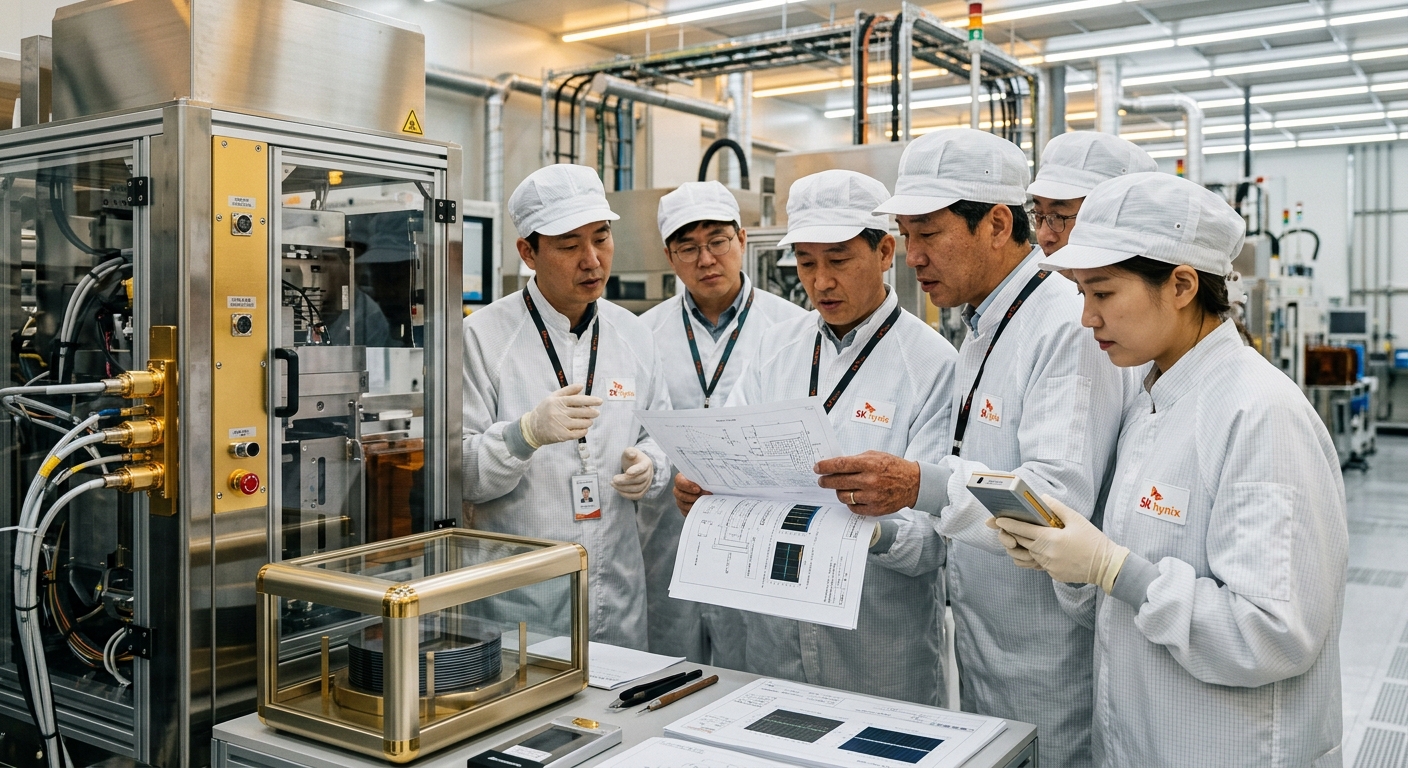
The recent announcement of SK Hynix, a prominent South Korean memory chip manufacturer, planning to initiate a U.S. Initial Public Offering (IPO) has sparked significant interest among investors and industry analysts alike. As the company prepares to sell approximately 17.8 million shares as American Depositary Receipts (ADRs), this move offers a unique opportunity to delve into the broader implications for the tech industry, particularly in the context of the surging demand for AI-driven memory solutions.
Memory Demand in the AI Era
The boom in artificial intelligence has been a game-changer for the memory chip industry, driving unprecedented demand for high-performance memory solutions. Companies like SK Hynix are experiencing soaring revenues—up nearly 200% in the first quarter compared to the previous year—due to the AI boom. The company’s stock has similarly surged by about 260% this year, reflecting investor confidence in its capacity to capitalize on this trend.
This surge is fueled by the intensive memory requirements of AI systems. As hyperscalers such as Amazon, Microsoft, Google, and Oracle expand their AI infrastructure, demand for High Bandwidth Memory (HBM), DRAM, and NAND chips has rapidly outpaced supply. This has led to what some describe as a “RAMageddon,” where the scarcity of these essential components is impacting various sectors, including consumer electronics. Notably, companies like Apple have been compelled to adjust their pricing strategies for products like Mac computers and iPads in response to the chip shortage.
Risks and Opportunities
While the current market conditions seem favorable for SK Hynix and similar companies, the industry’s future remains uncertain. South Korean tech giants, including SK Hynix and Samsung, have committed to investing over $550 billion to expand their production capacities. However, this ambitious expansion carries inherent risks. By the time new manufacturing facilities become operational, the technology landscape and memory requirements may have evolved, potentially leading to an oversupply and subsequent price drops.
For Wall Street, the memory chip sector presents an enticing investment alternative to companies like Nvidia, whose valuation has soared to over $1 trillion on the back of AI-driven demand. Investors are keenly aware of the parallels between memory chip makers and Nvidia, seeing them as viable candidates to replicate similar success stories.
The Broader Implications of AI Automation
This AI-driven transformation extends beyond the memory chip industry, impacting various sectors, including cybersecurity. Recent findings from Sysdig demonstrate how AI agents, like the autonomous JadePuffer, can conduct sophisticated cyber intrusions, highlighting the dual nature of AI as both an enabler of growth and a potential threat.
The integration of AI into industries underscores the need for robust, adaptive systems capable of handling both increased demand and emerging security challenges. As businesses continue to modernize their operations through AI and automation, the importance of strategic partnerships with forward-thinking infrastructure providers like Virtucom becomes increasingly evident. These partnerships can help companies automate workflows, enhance operational efficiency, and ultimately, scale effectively without incurring prohibitive costs.
In conclusion, SK Hynix’s impending IPO is more than just a financial event; it serves as a lens through which we can examine the interwoven narratives of AI demand, market dynamics, and technological evolution. As the industry navigates these complexities, the companies that can balance innovation with strategic foresight will likely emerge as the leaders of tomorrow’s tech landscape.
No Comments