









05 Apr Japan’s Urgent Shift to Physical AI Amid Labor Shortages
Japan’s Push for Physical AI: A Necessity Driven by Labor Shortages
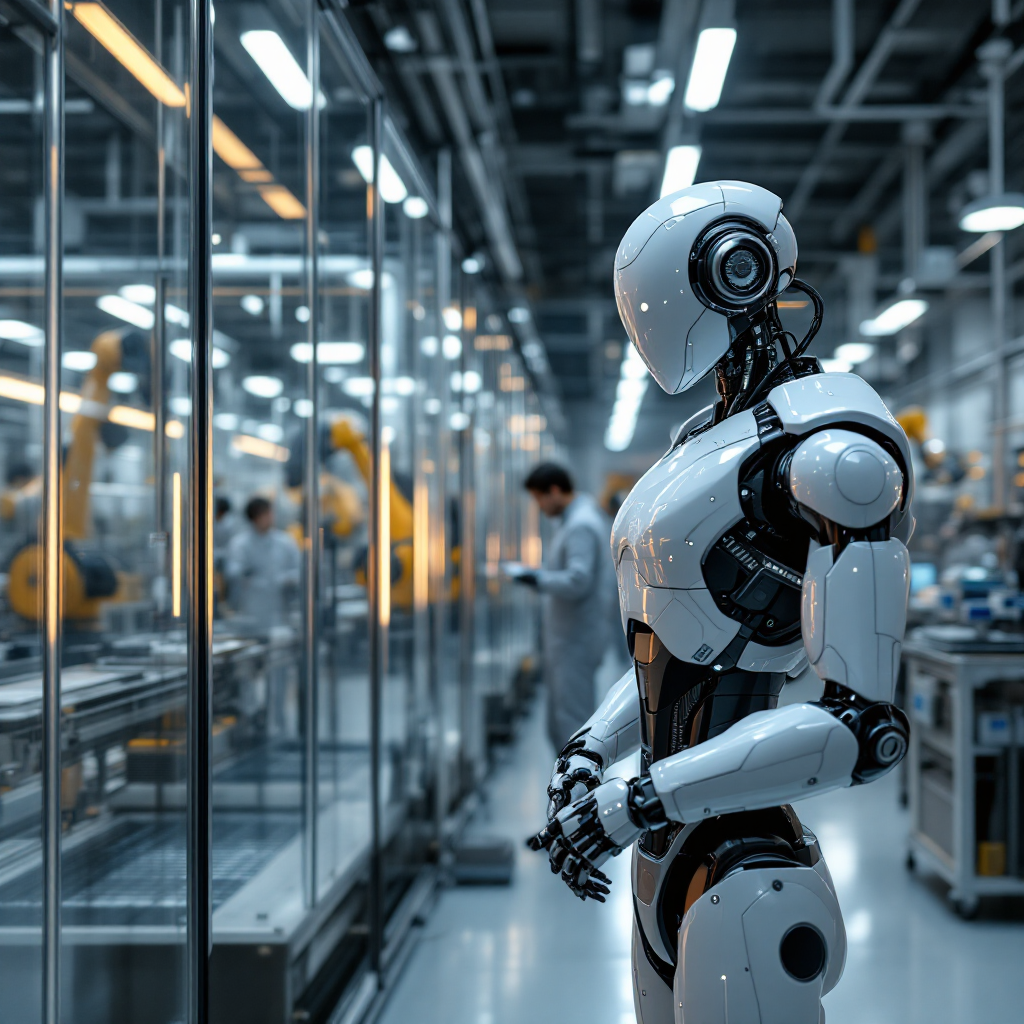
As technological advancements continue to reshape industries worldwide, Japan stands out for its aggressive pursuit of **physical AI**. This shift is not merely a trend; it is a response to pressing labor shortages that threaten the country’s economic stability. With a workforce declining for the 14th consecutive year as of 2024, organizations are increasingly turning to AI-powered robots to fill essential roles that fewer human workers can or are willing to occupy.
The Demographic Challenge
Japan’s demographic crisis is a primary driver of this transformation. According to the Ministry of Economy, Trade and Industry, only 59.6% of the population is of working age, a figure anticipated to decrease by nearly 15 million within two decades. This stark reality forces companies to look beyond traditional staffing solutions. As noted by Sho Yamanaka of Salesforce Ventures, “The driver has shifted from simple efficiency to industrial survival,” highlighting the urgency of adopting automation technologies to maintain operational standards.
More specifically, the rise of autonomous systems is seen not just as a means of improving productivity but as a critical strategy to sustain crucial services. Woven Capital’s Ro Gupta emphasized that physical AI is perceived as a “continuity tool” essential for keeping factories and infrastructure operational amidst dwindling human resources.
Innovations in Robotics and Automation
Japanese companies are investing heavily in automation technologies that enhance existing hardware. One prominent example is Mujin, which has developed software that enables industrial robots to execute logistics tasks autonomously. This approach capitalizes on Japan’s historical strengths in **mechatronics** and hardware manufacturing, positioning the country to lead the global market in physical AI by 2040.
As Japan’s industrial landscape evolves, the focus on automation is likely to spur innovation in robotics, enhancing both the capabilities and efficiency of existing systems. The shift is not just about replacing human labor; it is about reimagining how industries can operate under new constraints.
Exploring the Future: SpaceX and Orbital Data Centers
Meanwhile, SpaceX is taking an unconventional approach to data management with its plans for **orbital data centers**. CEO Elon Musk envisions these facilities as the next frontier in computing, potentially solving issues of space and infrastructure that terrestrial data centers face. The company has reportedly filed for an IPO aiming for a staggering $75 billion valuation, with its orbital data center ambitions playing a significant role in this projection.
Challenges and Opportunities
While the engineering challenges of establishing data centers in space are non-trivial, the potential for avoiding the social hurdles encountered on Earth is appealing. As discussed in a recent episode of TechCrunch’s Equity podcast, the increasing opposition to traditional data centers could make the idea of venturing into orbit more attractive to tech giants like SpaceX and Amazon.
This shift toward space-based infrastructure presents various implications for the technology landscape. For one, it could alleviate some of the environmental and regulatory pressures faced by terrestrial data centers. However, it also raises questions about the sustainability and cost-effectiveness of such ambitious projects.
The Intersection of AI and Robotics
The advancements in both physical AI in Japan and SpaceX’s orbital aspirations reflect a larger trend where robotics and AI are intertwined with economic necessities. As organizations worldwide grapple with labor shortages and infrastructure challenges, the embrace of innovative solutions becomes essential.
The future may not just be about making tasks easier or more efficient; it will likely involve rethinking how industries adapt to a world where human labor is less reliable. As these technologies continue to develop, their integration into existing systems will define the next phase of industrial evolution.
In both Japan and the burgeoning field of space-based infrastructure, the underlying message is clear: embracing the capabilities of AI and robotics is not just about technological advancement; it is about ensuring survival in an increasingly automated world.
No Comments