




21 Jun AI Adoption in Business: Samsung’s Strategic Shift
AI Adoption Across Industries: A Strategic Shift Towards Efficiency and Innovation
The global business landscape is witnessing a strategic pivot towards artificial intelligence (AI) as companies recognize its potential to streamline operations and enhance productivity. Recent developments highlight how leading entities across various sectors are integrating AI into their core operations, aiming to capitalize on its transformative capabilities.
Samsung Electronics’ Bold Move with AI Integration
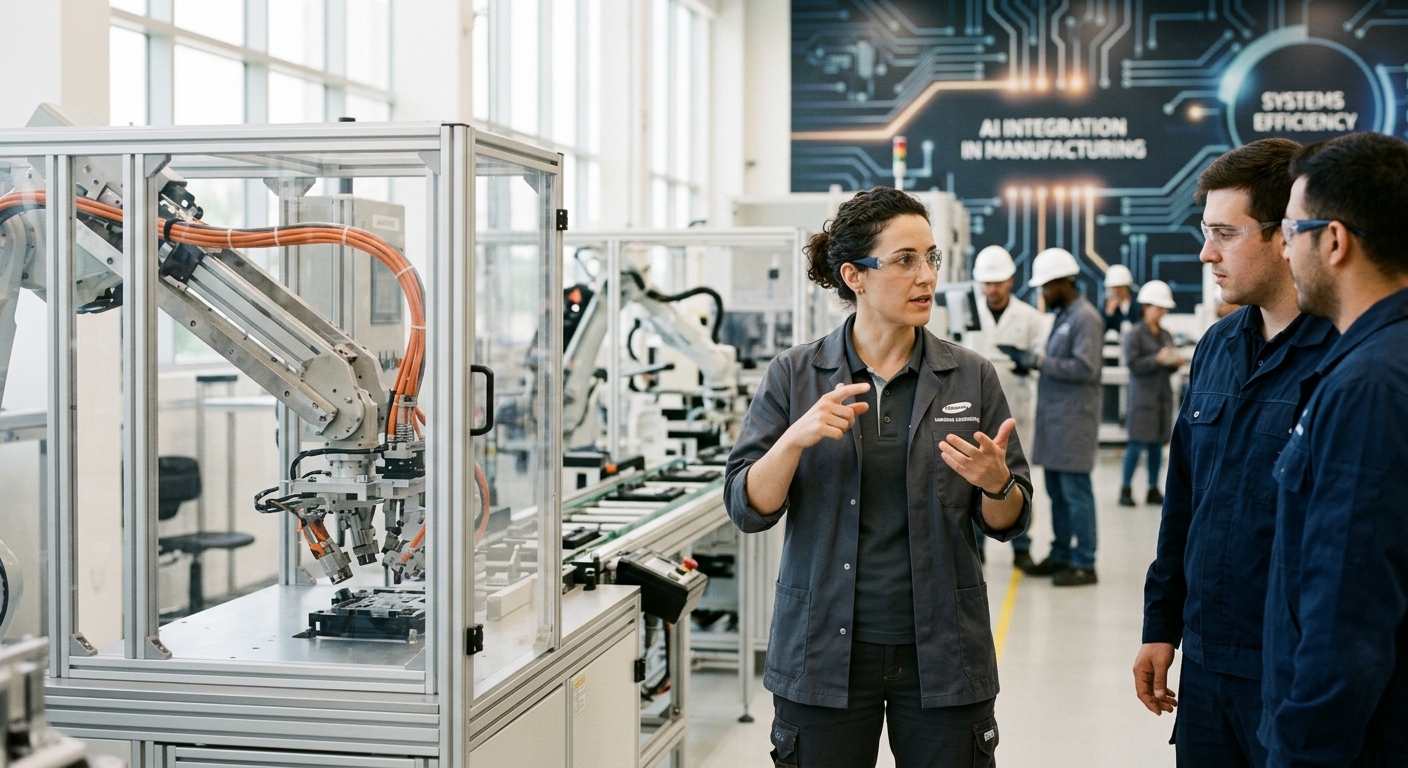
Samsung Electronics is at the forefront of AI adoption with its expansive deployment of ChatGPT Enterprise and Codex across its workforce. This initiative marks one of the largest enterprise launches by OpenAI, signifying a significant commitment to AI as a foundational tool for enhancing productivity and innovation. By making these AI tools available to all employees in Korea and globally within the Device eXperience (DX) division, Samsung aims to leverage AI for a wide array of functions, from research and development to marketing and manufacturing.
Harrison Kim, General Manager of OpenAI Korea, emphasizes the strategic nature of this deployment: “This historic deployment for OpenAI is particularly significant as Samsung Electronics embraces AI as a core platform for improving how employees work globally.” This move reflects a broader trend where technology leaders like Samsung are embedding AI into their operational fabric to foster a culture of innovation and efficiency.
AI’s Role in Enterprise Spend Management
Meanwhile, OpenAI’s introduction of new usage analytics and updated spend controls for ChatGPT Enterprise underscores the importance of managing AI investments with precision. As AI becomes integral to business operations, companies need robust frameworks to monitor usage, adoption, and expenditure. These controls enable organizations to track and optimize AI usage, ensuring that investments are aligned with strategic objectives and deliver tangible value.
The capabilities introduced by OpenAI allow enterprises to dissect credit consumption across users and projects, facilitating informed decision-making regarding AI deployment. This granular visibility helps organizations distinguish between high-impact uses of AI and less valuable applications, thereby optimizing resource allocation.
Navigating Legal Challenges in Emerging Technologies
In contrast, the electric air taxi industry illustrates the challenges of emerging technologies. Companies like Joby Aviation and Archer Aviation are embroiled in legal disputes over intellectual property and competitive practices, which threaten to stall progress in this nascent sector. These legal battles highlight the growing pains associated with pioneering new technologies in uncharted regulatory territories.
As the industry grapples with certification delays and investor skepticism, these courtroom confrontations underscore the need for clear regulatory frameworks and collaborative efforts to drive innovation forward without unnecessary hindrances.
Conclusion: The Path Forward for AI and Innovation
The integration of AI into business operations is a testament to its potential to redefine efficiency and innovation. However, as evidenced by the contrasting scenarios of Samsung’s strategic deployment and the air taxi industry’s legal entanglements, the path forward requires careful navigation of both technological and regulatory landscapes.
For businesses, the key lies in harnessing AI’s capabilities while establishing robust governance structures to manage its adoption and mitigate associated risks. As AI continues to evolve, its role as a catalyst for innovation and operational excellence will undoubtedly expand, offering unprecedented opportunities for those willing to invest in its potential.
Sorry, the comment form is closed at this time.