




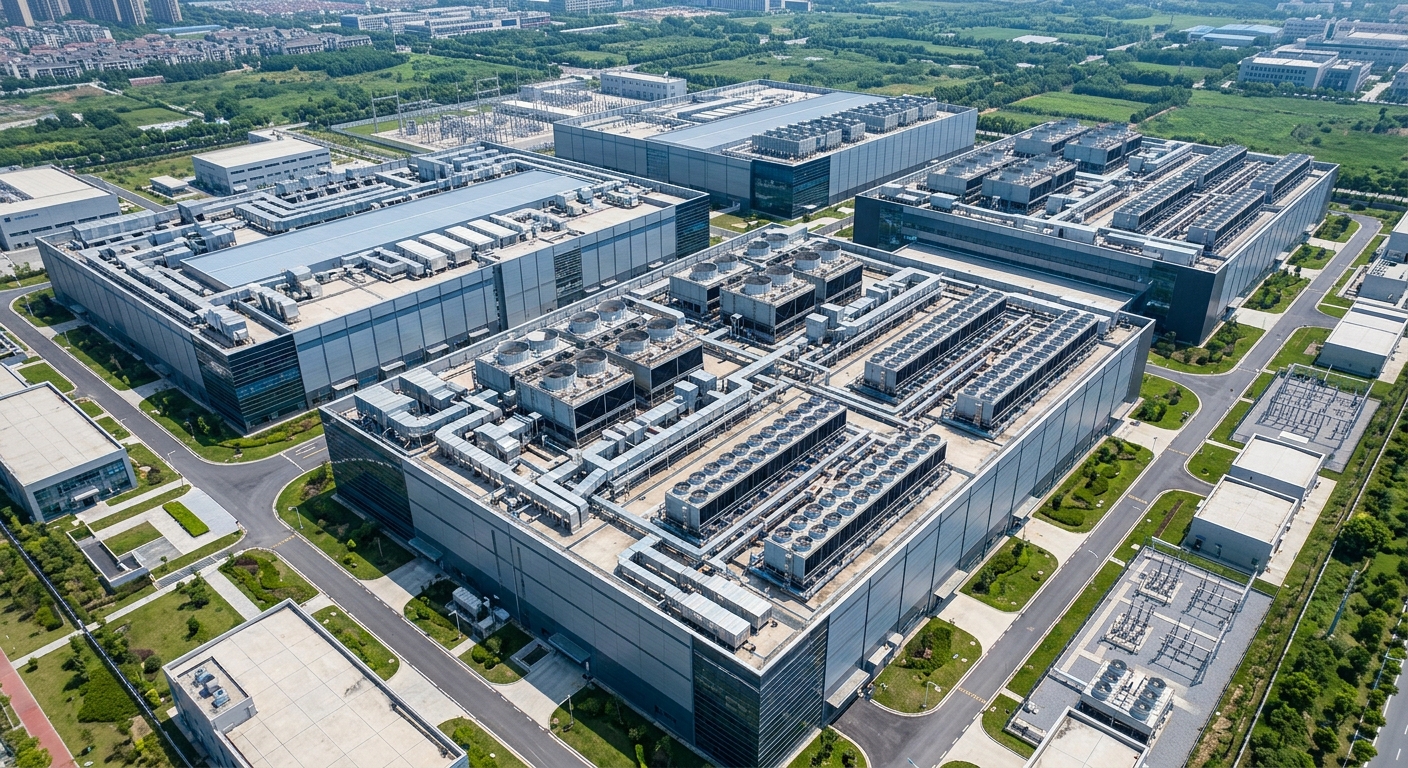
28 Jun China’s LineShine: The Fastest Supercomputer
China’s Supercomputing Leap: A Strategic Technological Triumph
In a bold move that underscores China’s growing technological prowess, the nation has claimed the title of having the world’s fastest supercomputer, LineShine, according to the latest TOP500 rankings. Installed at the National Supercomputing Center in Shenzhen, LineShine has surpassed the US’s El Capitan, marking a significant shift in the global supercomputing landscape. This development comes amid escalating US-China tensions over technological dominance, with both nations imposing stringent restrictions on each other’s tech industries.
A New Era in Supercomputing
LineShine’s ascent to the top spot is not merely a testament to its raw computing power, which exceeds El Capitan’s by more than 20%, but also to China’s ability to innovate under pressure. The system delivers 2,198 exaflops, equating to over 2 quintillion operations per second, all while consuming approximately 42.2 megawatts of power. Notably, LineShine achieves these feats without the use of graphics processing units (GPUs), relying solely on central processing units (CPUs), which are more commonly found in consumer electronics than in high-performance computing.
This strategic choice highlights China’s commitment to self-reliance, as the entire infrastructure of LineShine is built with hardware and software developed domestically. The system’s architecture, based on the LingKun platform, incorporates around 45,000 LX2 processors, each with 304 cores. The processors are interconnected through the LingQi network, designed to minimize latency and enhance data transfer speeds, all running on the Kylin OS, a Linux-based operating system widely used in Chinese government and scientific applications.
Implications of Technological Independence
China’s achievement with LineShine sends a clear message to the United States and the global community: despite US-imposed export controls and tariffs on critical tech components, China’s tech industry can innovate and lead. Over the past decade, the US has dominated the supercomputing rankings, with systems like El Capitan setting the benchmark for computational power. However, China’s return to the top reveals a shift in the balance of technological power and emphasizes the nation’s resilience and strategic foresight.
Historically, the TOP500 rankings have served as a barometer for technological leadership, influencing national pride and strategic priorities. For China, regaining the top spot not only demonstrates its technical capabilities but also its ability to circumvent technological barriers imposed by geopolitical tensions. This achievement signals China’s readiness to compete on the global stage without reliance on foreign technology, marking a significant milestone in its quest for technological independence.
Navigating the Future
As China continues to push the boundaries of what is possible in supercomputing, the international landscape will likely see a ripple effect. Other nations may accelerate their own technological advancements in response, potentially leading to a new era of innovation driven by competition. For businesses and governments alike, this underscores the importance of investing in domestic tech capabilities to remain competitive.
Ultimately, China’s success with LineShine highlights the dynamic nature of technological competition in the 21st century, where innovation, resilience, and strategic planning are crucial. As global tech leaders grapple with these shifts, the race for technological supremacy will undoubtedly continue to shape the geopolitical landscape for years to come.
Sorry, the comment form is closed at this time.