




24 May AI and Automation: The Power of Second Movers
“`html
Automation, AI, and the Strategic Advantage of Being a ‘Second Mover’
As the tech industry continues to evolve, businesses are finding innovative ways to leverage automation and artificial intelligence (AI) to streamline operations, enhance customer experiences, and optimize revenue. Two notable case studies exemplify these advancements: Expedia’s AI-driven business strategy and Nuro’s strategic positioning in the robotaxi market. Both companies, albeit in different sectors, illustrate how automation and strategic timing can redefine industry dynamics.
Expedia’s AI-Powered Flywheel
Expedia Group’s CEO, Ariane Gorin, recently highlighted the company’s dual focus on B2B and B2C sectors at the Expedia Explore conference. Contrary to perceptions that B2B might overshadow consumer-facing operations, Gorin emphasized a symbiotic relationship between these segments. This strategy reflects a broader industry trend where businesses utilize AI to integrate and enhance various operational facets.
Expedia’s AI initiatives are pivotal in driving this integration. By automating content creation and customer engagement, the company not only improves operational efficiency but also enhances the user experience across its platforms, such as Expedia.com, Hotels.com, and Vrbo. This approach aligns with the broader market shift towards leveraging AI for creating a seamless guest experience and optimizing conversions.
The ‘Second Mover’ Advantage in Robotaxis
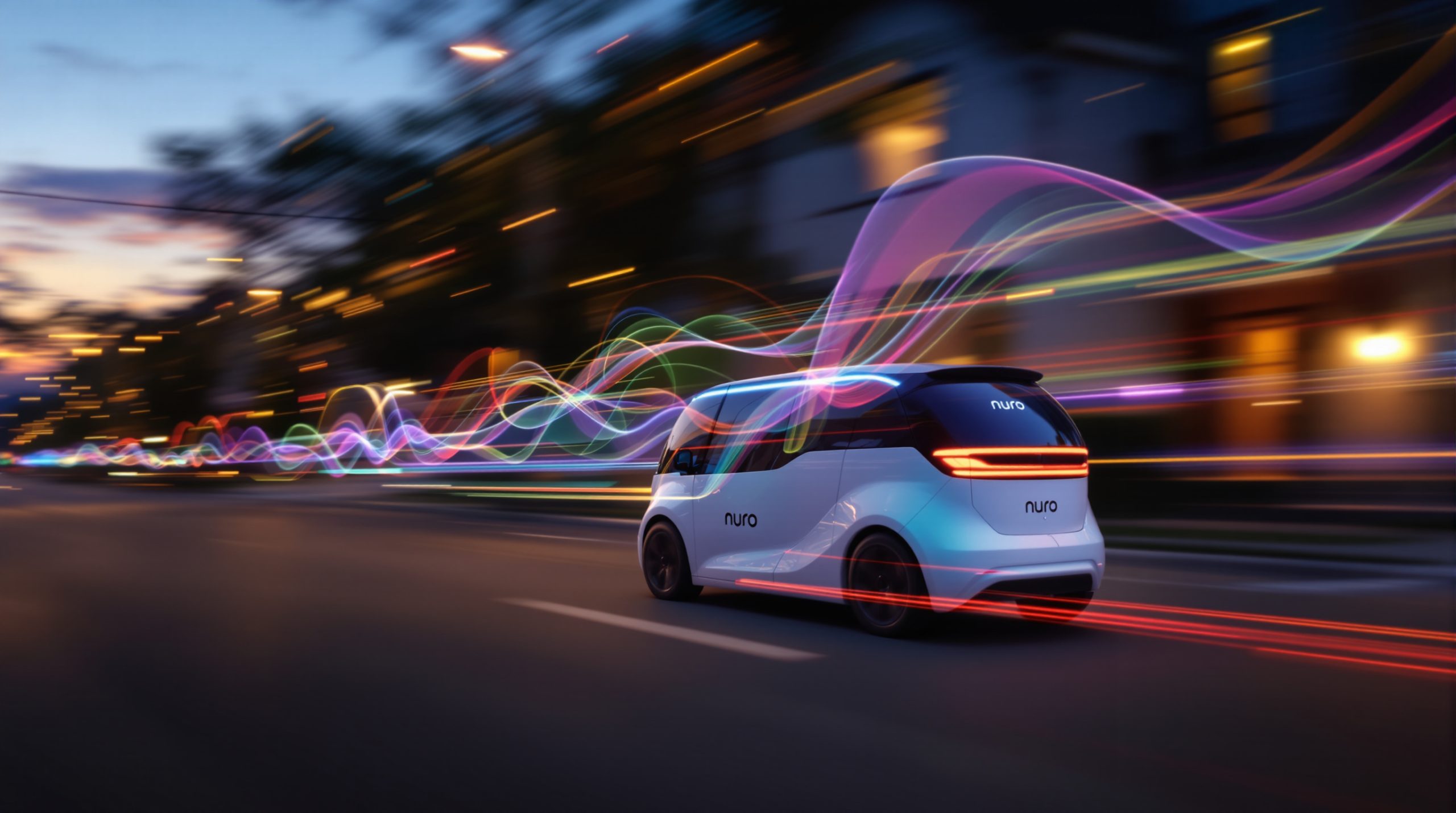
In the highly competitive robotaxi market, Nuro—a company transitioning from delivery robots to autonomous taxis—demonstrates how a ‘second mover’ strategy can be advantageous. By observing the challenges and successes of industry leader Waymo, Nuro is positioning itself to launch a more refined and broadly applicable service.
Nuro’s co-CEO, Dave Ferguson, articulates this strategy as a learning opportunity. By analyzing Waymo’s operational hurdles, Nuro aims to circumvent potential pitfalls and capitalize on existing technological insights. This strategic timing not only aids in refining Nuro’s technology but also positions the company to offer a competitive and reliable service from the onset.
Strategic Insights for Businesses
- Leveraging AI for Operational Efficiency: The integration of AI in business operations, as seen with Expedia, underscores the importance of automation in maintaining competitive advantage and enhancing customer engagement.
- Strategic Timing and Market Entry: Nuro’s ‘second mover’ approach highlights the value of timing in market entry. By learning from predecessors, businesses can optimize their offerings and mitigate risks.
- Cross-Sector Applications of Technology: Both case studies illustrate how AI and automation can transcend industry boundaries, offering scalable solutions that enhance both customer experience and operational efficiency.
As businesses continue to navigate the complexities of modern markets, the strategic use of AI and thoughtful market positioning will be crucial. Whether leading the charge or strategically following, the ability to adapt and innovate will define success in the evolving landscape.
“`
Sorry, the comment form is closed at this time.