




31 May AI’s Role in Biodefense and Public Health
“`html
The Integration of AI in Biodefense and Its Potential Impact
In the evolving landscape of technology, artificial intelligence (AI) is increasingly becoming a pivotal player in diverse industries. One of the most significant developments in recent times is the integration of AI in biodefense, a sector crucial for public health and safety. This initiative, exemplified by OpenAI’s recent launch of Rosalind Biodefense, is poised to transform how societies detect, respond to, and prevent biological threats.
AI: A New Frontier in Biodefense
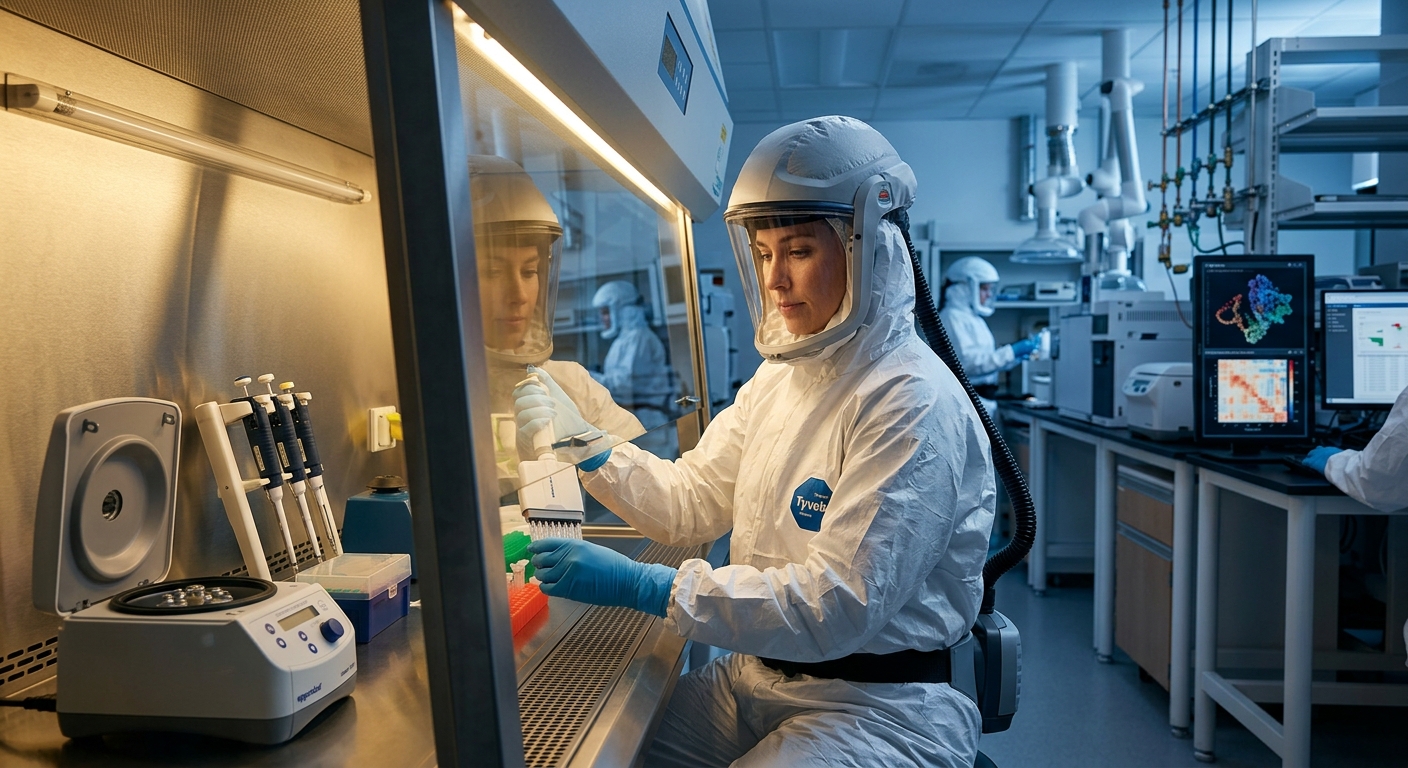
The integration of AI into biodefense strategies represents a forward-thinking approach to handling biological threats. AI’s capacity to process vast amounts of data and identify patterns is invaluable in the early detection of potential pandemics and in the development of rapid countermeasures. Rosalind Biodefense aims to leverage these capabilities by providing vetted partners with access to advanced AI tools tailored for biodefense applications.
These tools are designed to enhance societal resilience by accelerating the development of medical countermeasures, improving diagnostic capabilities, and strengthening the overall preparedness and response framework. This approach highlights the shift from traditional reactive measures to proactive and preventive strategies in public health.
Implications for Public Health and Safety
The introduction of AI in biodefense is not only about technological advancement but also about building a robust infrastructure that can withstand biological threats. This infrastructure relies on sophisticated AI models capable of anticipating and mitigating risks before they manifest into full-blown crises. By equipping public health defenders with such tools, societies can more effectively manage and reduce the impact of health emergencies.
Moreover, the partnership between AI developers and governmental bodies ensures that these technologies are deployed responsibly and effectively. The collaboration with entities like the U.S. Center for AI Standards and Innovation and the UK AI Security Institute underscores the importance of ethical considerations in the deployment of AI technologies.
Challenges and Future Prospects
While the potential of AI in biodefense is immense, it comes with its share of challenges. Ensuring the security and privacy of sensitive health data, managing the dual-use nature of AI tools, and maintaining transparency in AI operations are critical issues that need addressing. These challenges necessitate ongoing dialogue between technology developers, policymakers, and bioethicists to establish guidelines that safeguard public interest.
Looking ahead, the continuous refinement of AI models and the expansion of trusted access to these technologies will likely lead to more sophisticated biodefense strategies. As AI continues to evolve, its role in enhancing public health infrastructure will become increasingly central, ultimately contributing to a future where societies are better equipped to face biological threats.
“The integration of AI in biodefense is not just about technology, but about reimagining the very foundations of societal resilience against biological threats,” says a spokesperson from OpenAI.
In conclusion, the collaboration between AI and biodefense marks a significant step towards a future where technology and public health work hand in hand to create safer, more resilient communities.
“`
Sorry, the comment form is closed at this time.