




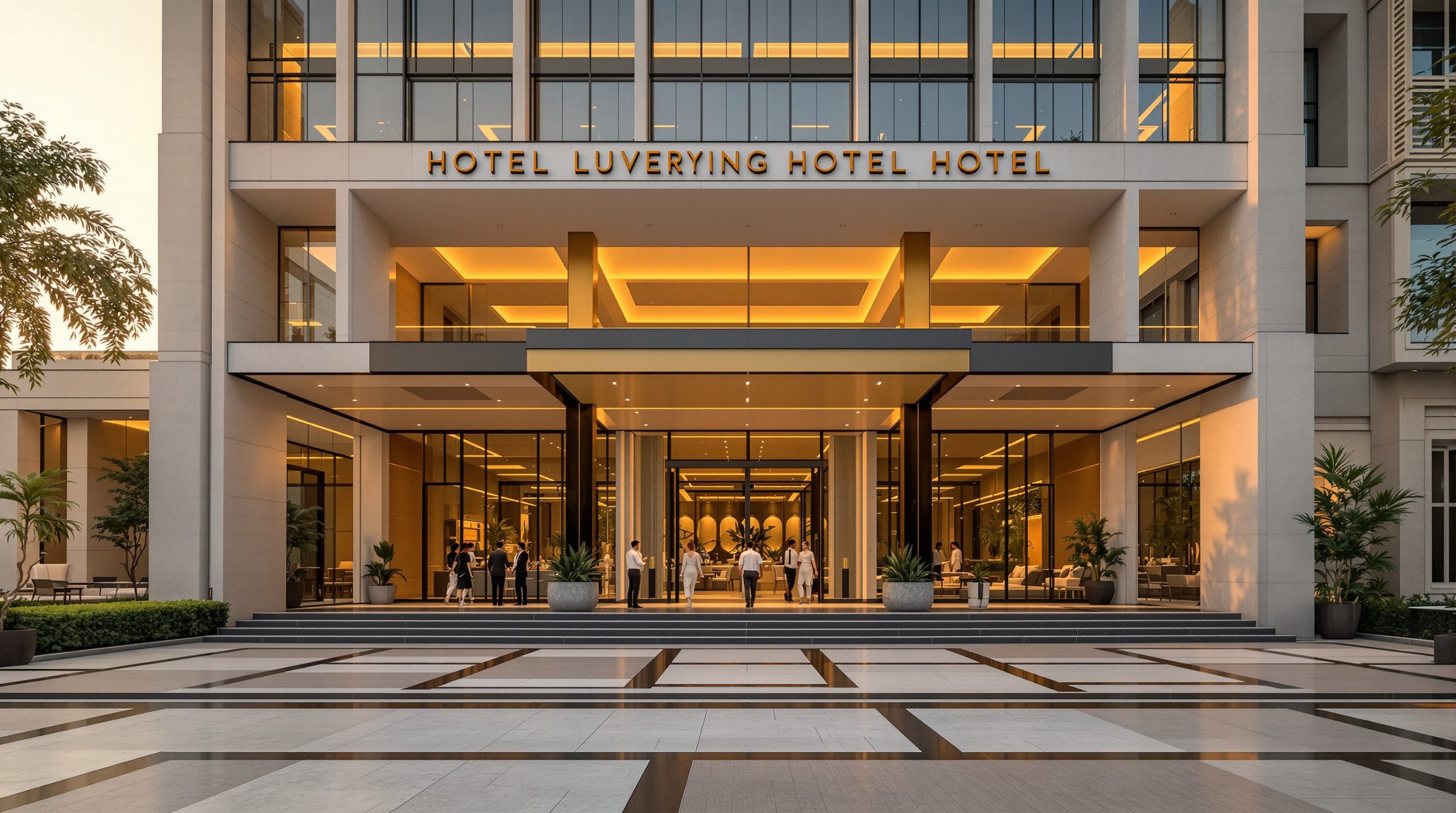
20 May Experiential Hospitality and AI’s Impact on Travel
“`html
The Rise of Experiential Hospitality and AI: Transforming Travel and Business Landscapes
The intersection of experiential hospitality and artificial intelligence (AI) is reshaping the travel and technology sectors, driving innovative approaches to service delivery and operational efficiency. With RARE India’s strategic partnership with SAMHI Hotels and the burgeoning AI search market, businesses are navigating new terrains to enhance guest experiences and operational capabilities.
Scaling Authenticity in Experiential Hospitality
RARE India’s collaboration with SAMHI Hotels marks a pivotal moment in the experiential hospitality sector—a segment valued for its unique, personalized guest experiences. As travelers increasingly seek stays that offer local context and storytelling, the challenge lies in scaling these offerings without compromising their inherent individuality. Shoba Rudra, founder of RARE India, underscores the importance of maintaining authenticity while expanding reach. This partnership aims to preserve the distinctiveness of boutique properties by focusing on community, culture, and sustainability.
The move aligns with broader industry trends, as experiential travel continues to grow exponentially. With the market projected to exceed $2 trillion globally, the demand for boutique hotels is set to rise from $28 billion in 2025 to over $50 billion by 2033. The RARE India-SAMHI Hotels alliance exemplifies how strategic partnerships can balance growth and authenticity, ensuring that the essence of experiential travel remains intact while expanding access to new markets.
AI’s Role in Transforming Search and Hospitality
Simultaneously, the AI revolution is gaining momentum, particularly in search technology. Startups like Exa Labs and established platforms such as Google and Amazon are leveraging AI to redefine discoverability. As AI-powered search transforms how consumers access information, these developments promise to enhance user experiences across various sectors, including travel and hospitality.
Airbnb’s recent foray into hotels and its adoption of AI for host onboarding and customer support further illustrate AI’s transformative potential. By integrating hotels into its platform and expanding AI capabilities, Airbnb seeks to offer a comprehensive travel experience. Features like price match guarantees and new service offerings, including car rentals and luggage storage, aim to enhance guest satisfaction and loyalty.
Implications for Business Efficiency and Growth
The convergence of experiential hospitality and AI-driven solutions presents significant opportunities for businesses to optimize operations and improve customer engagement. Automation and AI can streamline workflows, reduce manual tasks, and provide actionable insights, enabling companies to scale efficiently without increasing overhead. For instance, Virtucom’s focus on systems and automation underscores the importance of integrating intelligent solutions into business infrastructures to drive growth and efficiency.
As AI continues to evolve, its application in real business environments will be crucial in shaping the future of industries. The emphasis on responsible deployment, as highlighted by OpenAI’s educational initiatives, ensures that AI tools are used effectively and ethically, fostering innovation while addressing societal and business needs.
“The future of travel and technology lies in harmonizing the personalized touch of experiential hospitality with the efficiency and scalability offered by AI,” says an industry expert. “This synergy will redefine how businesses operate and engage with their customers.”
In conclusion, the integration of experiential hospitality and AI-driven technologies marks a transformative era for the travel and business sectors. By embracing these innovations, companies can position themselves at the forefront of industry evolution, delivering exceptional experiences that align with modern consumer expectations.
“`
Sorry, the comment form is closed at this time.