




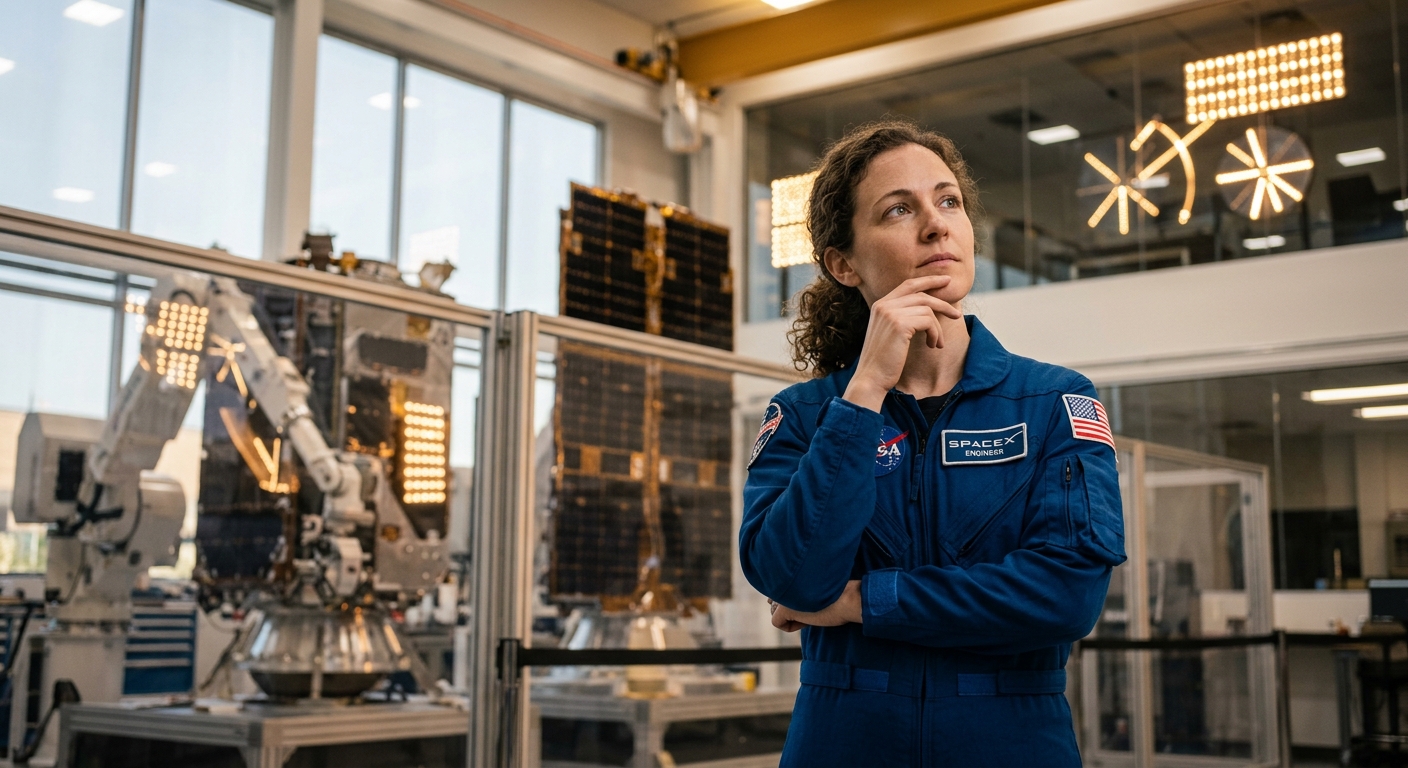
08 Jul SpaceXAI: Pioneering AI Infrastructure in Space
SpaceXAI and the Future of AI Infrastructure in Space
In a bold move that merges space exploration and artificial intelligence, Elon Musk has announced the formation of SpaceXAI, a company that combines the efforts of SpaceX and xAI. Known for its groundbreaking work in space technology and AI development, the company is setting its sights on becoming a major player in AI infrastructure.
SpaceXAI’s strategy is to leverage the vastness of space to overcome the limitations of terrestrial AI data centers. With global electricity demand for AI projected to outstrip supply, Musk envisions a future where AI data centers orbit the Earth, powered by solar energy. The company plans to deploy “AI compute satellites” by 2028, aiming to create a constellation of one million satellites.
The Implications of Space-based AI Infrastructure
Building data centers in space offers several advantages over traditional terrestrial solutions. The vast, untapped solar energy available in space could provide a sustainable power source for AI operations, circumventing the cooling and power constraints that plague earthbound data centers. This innovation could potentially reshape the AI landscape, making SpaceXAI a key player in the industry’s future.
However, experts remain cautious. Jehaan Nanavaty, a senior advisory analyst at Info-Tech Research Group, notes that while SpaceXAI is making strides, it is not yet in a position to compete with established AI infrastructure leaders like Microsoft, AWS, and Google. These companies continue to excel in governance, regulatory compliance, and ecosystem maturity, areas where SpaceXAI is still developing.
SpaceXAI’s Investment and Ambitions
SpaceX’s substantial investment in AI—$12.7 billion in 2025 alone—underscores its commitment to this new venture. The company’s IPO filing indicates a strategic pivot towards integrating AI with its space operations, a move that has already resulted in notable AI infrastructure deals. By focusing on the development of the world’s largest AI supercomputer, Colossus, SpaceXAI is setting the stage for a new era of AI capabilities.
This ambitious plan is not without challenges. The integration of AI and space technologies requires navigating complex regulatory environments and ensuring robust cybersecurity measures, especially in the wake of increasing cyber threats. Nonetheless, SpaceXAI’s vision of a space-powered AI infrastructure represents a significant step towards the future of AI, opening up new possibilities for scalability and innovation.
Conclusion
As SpaceXAI continues to develop its space-based AI infrastructure, the implications for the tech industry are profound. This initiative not only highlights the potential of AI to transcend traditional boundaries but also positions SpaceXAI as a pioneering force in the intersection of space and artificial intelligence. While the company faces hurdles in gaining widespread commercial acceptance, its efforts could redefine the future of AI infrastructure, making the vision of a space-powered digital ecosystem a reality.
Sorry, the comment form is closed at this time.