




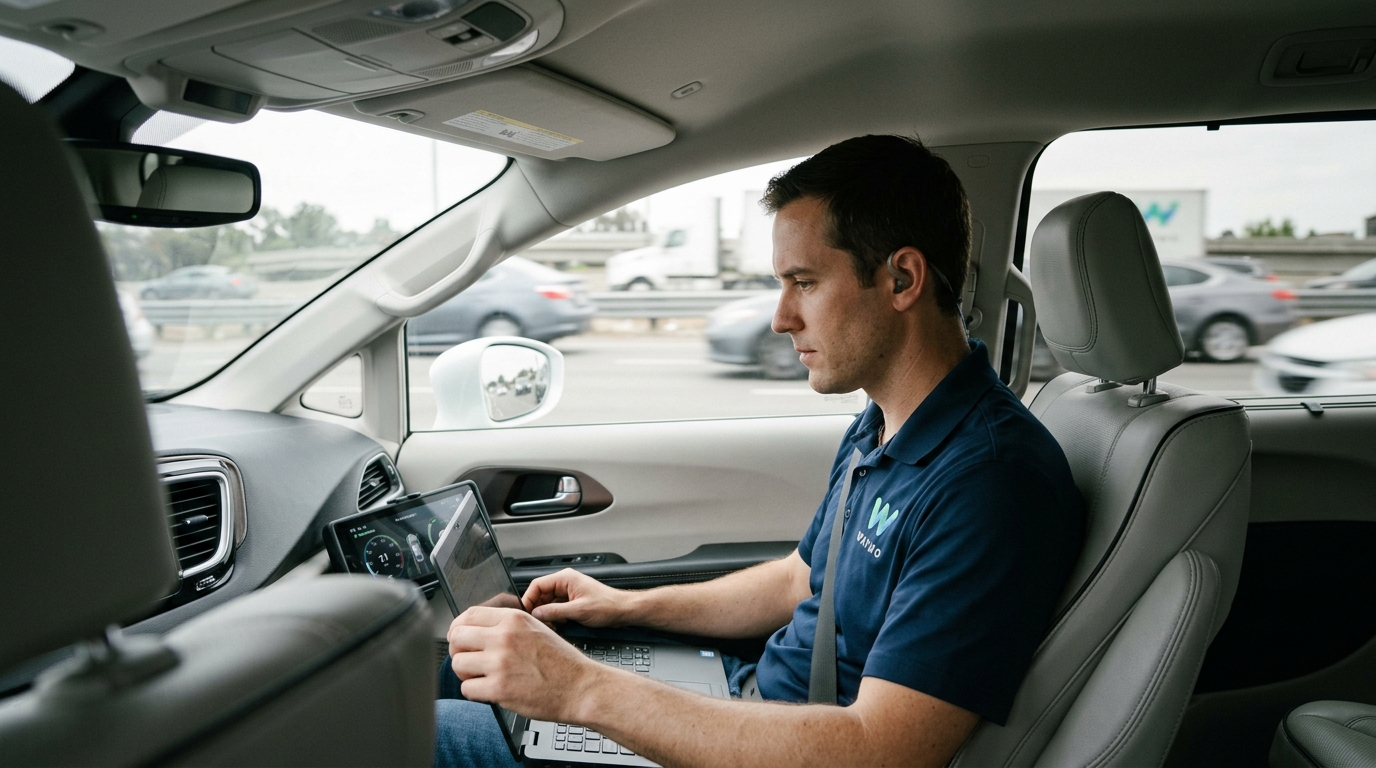
29 Jul Waymo Resumes Freeway Robotaxi Operations
Waymo’s Robotaxi Resurgence: The Return to Freeway Operations
Waymo, a pioneer in autonomous vehicle technology, is gradually reinstating freeway routes for its robotaxis following a temporary suspension. This decision comes after the company paused these services due to challenges faced by its vehicles in construction zones. The reintegration starts with Phoenix, with plans to expand to Los Angeles and the San Francisco Bay Area shortly thereafter, marking a significant milestone in Waymo’s operational landscape.
Addressing Safety and Performance Concerns
The suspension of freeway operations was a proactive measure taken by Waymo after instances where their autonomous vehicles encountered difficulties navigating construction zones. The company has since implemented software updates aimed at enhancing scene recognition and routing capabilities. This move reflects Waymo’s commitment to safety and operational efficiency, especially amid heightened scrutiny of robotaxi performance in high-traffic areas and around emergency responders.
These operational adjustments align with legislative efforts to establish national safety standards for autonomous vehicles, following incidents involving robotaxis and emergency services. Representative Kevin Mullin’s proposed bill underscores the necessity for regulatory oversight in this rapidly evolving sector.
Implications for the Autonomous Vehicle Market
Waymo’s decision to resume freeway operations is more than just a technical update; it holds implications for the broader autonomous vehicle market. The company aims to attract a wider user base by offering more efficient travel options, including quicker commutes and access to airports. This strategy is crucial as the market for autonomous vehicles becomes increasingly competitive.
Waymo’s previous recalls, which addressed issues like flooding and illegal maneuvers around school buses, highlight the complexity and challenges inherent in developing fully autonomous transportation solutions. These incidents emphasize the necessity for continuous software enhancements and rigorous testing to ensure public safety and trust.
A Broader Context: Regulatory and Competitive Dynamics
The reinstatement of Waymo’s freeway routes occurs against a backdrop of mounting regulatory and competitive pressures in the autonomous vehicle industry. As federal guidelines evolve, companies must navigate a complex landscape of technological innovation and public safety concerns. The industry’s trajectory is influenced not only by regulatory frameworks but also by competitive dynamics, as companies strive to differentiate their offerings and secure market share.
Waymo’s approach to addressing these challenges through software improvements and strategic market expansions positions it as a leader in the field. However, the road ahead requires balancing technological advancements with regulatory compliance and public acceptance.
Looking Ahead: The Future of Autonomous Mobility
Waymo’s return to freeway operations marks a pivotal moment in its journey, highlighting both the potential and the hurdles of autonomous mobility. As the industry evolves, companies must remain agile, leveraging technological innovations to address operational challenges while adhering to regulatory standards. The future of autonomous transportation hinges on the ability to deliver safe, efficient, and reliable solutions that meet the demands of modern mobility.
For business owners, understanding these dynamics is crucial to anticipating the impacts of automation on operational efficiency and customer engagement. As autonomous vehicles become more integrated into everyday transportation, businesses must adapt to the changing landscape, optimizing strategies to harness the benefits of this transformative technology.
Sorry, the comment form is closed at this time.